2/18/20 Winter Forest
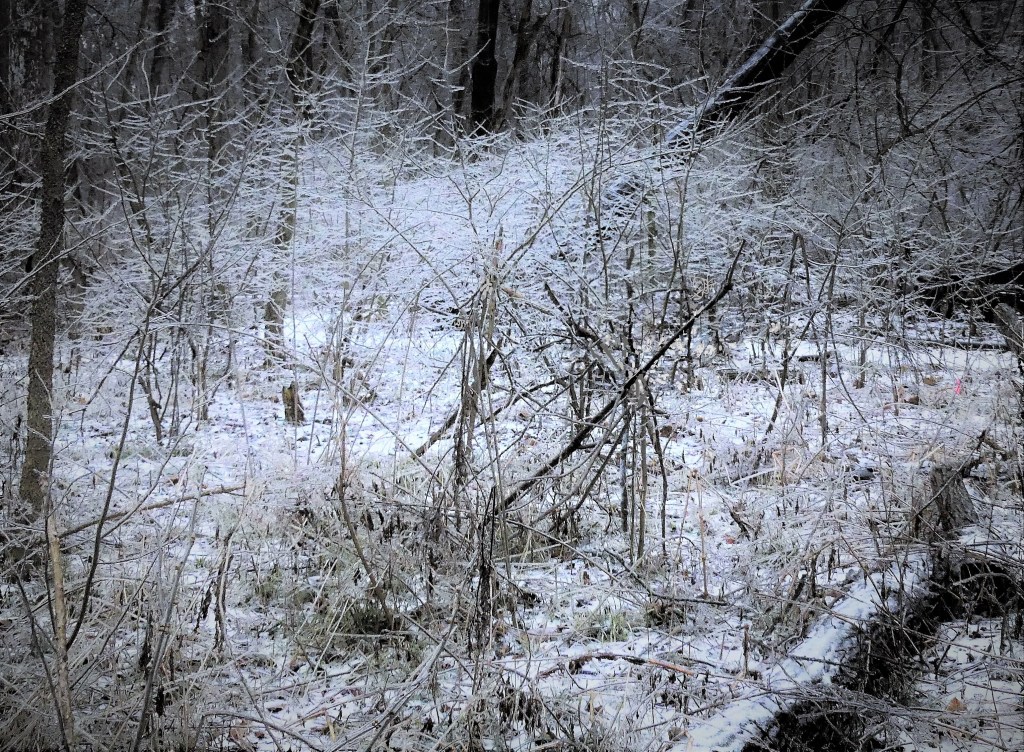
Spicebush grove coated with ice.

It started with frozen rain, encasing every limb in a quarter inch of ice. In the Ohio River valley, such weather events rarely last more than a day or two before temperatures rise again. But this winter is different – more like the ones I remember from childhood, when ponds and streams froze over. Walking in the forest the past few days has been humbling; despite my many layers of warm clothing, I am nowhere near as hardy as the average chickadee.

Read More
1/31 Big Red, Little Blue

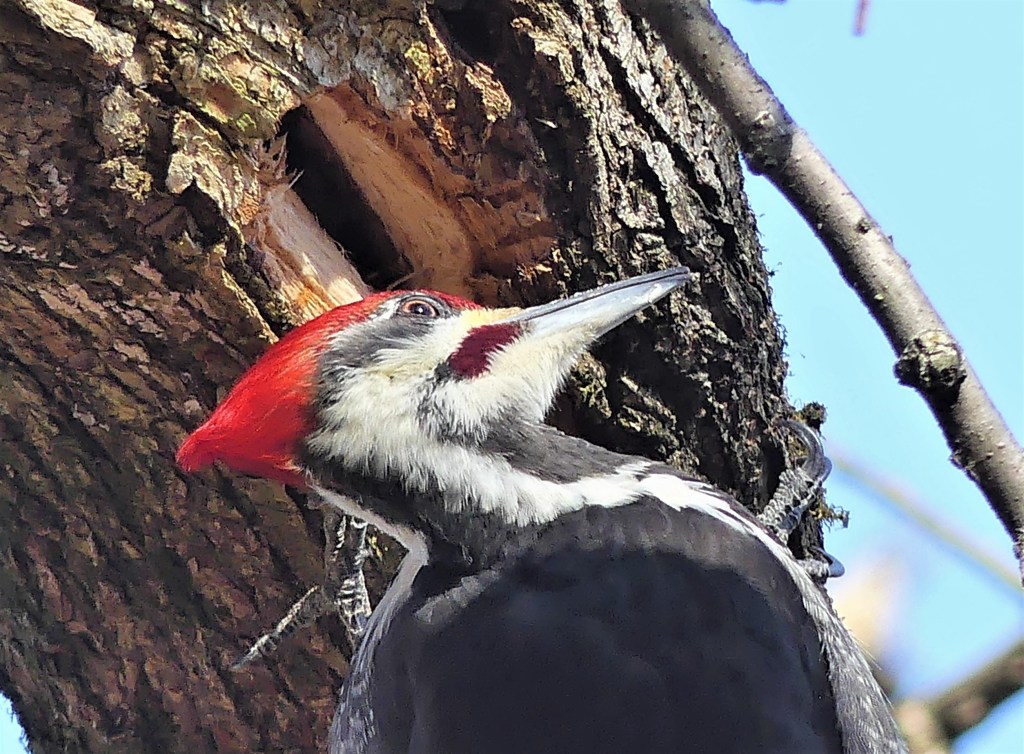
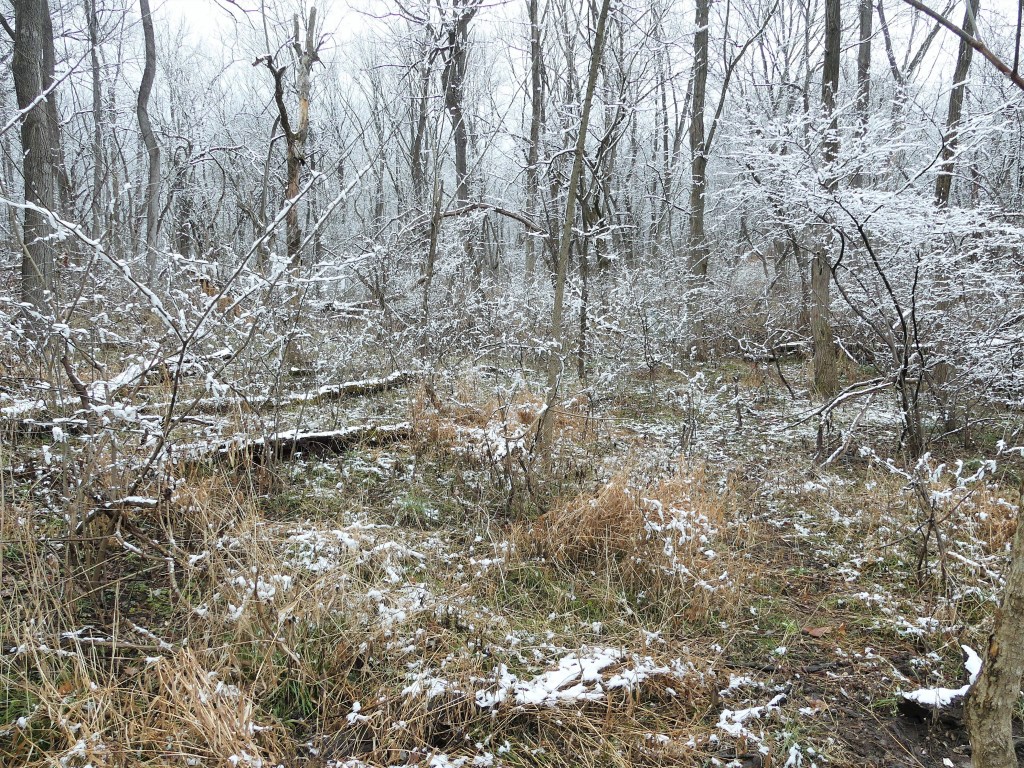
As I’ve written many times, this forest is woodpecker heaven. The excavations woodpeckers carry out out on both living and dead trees benefit other cavity nesting birds, Grey squirrels, Flying squirrels, and more. But one species, the Pileated, is a true ecosystem engineer, dismantling entire stumps in its search for Carpenter ants.

Read More

1/2/21 Lickers and lurkers

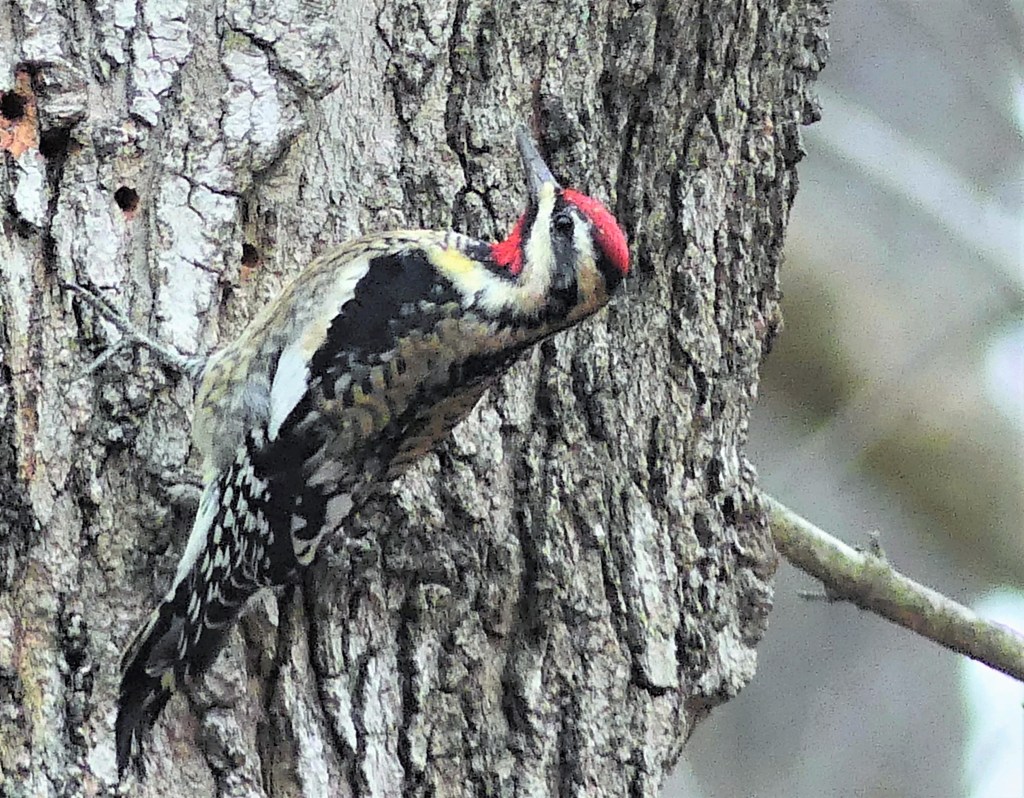
Though the winter forest looks bare and uninviting to humans, it’s a haven for avian visitors from the north. Two in particular caught my attention this past week – but it’s doubtful I would noticed them had they not been vocalizing. Both Yellow-bellied sapsuckers and Winter wrens blend very well into their habitat, but also call or sing regularly in winter making them easy to find.

Read More

10/26 The Urban Wild

People walk the trail chatting, laughing, looking at their phones. I lurk off the trail in dense undergrowth, working on some forest project. A branch snaps and heads jerk my way in surprise, even fear – what is a human doing off the trail? I greet them, showing my official green shirt and all is well. But in this most urban of Kentucky’s state nature preserves there is an invisible boundary line between the trail and the forest.

Read More

10/1 Hummer heaven

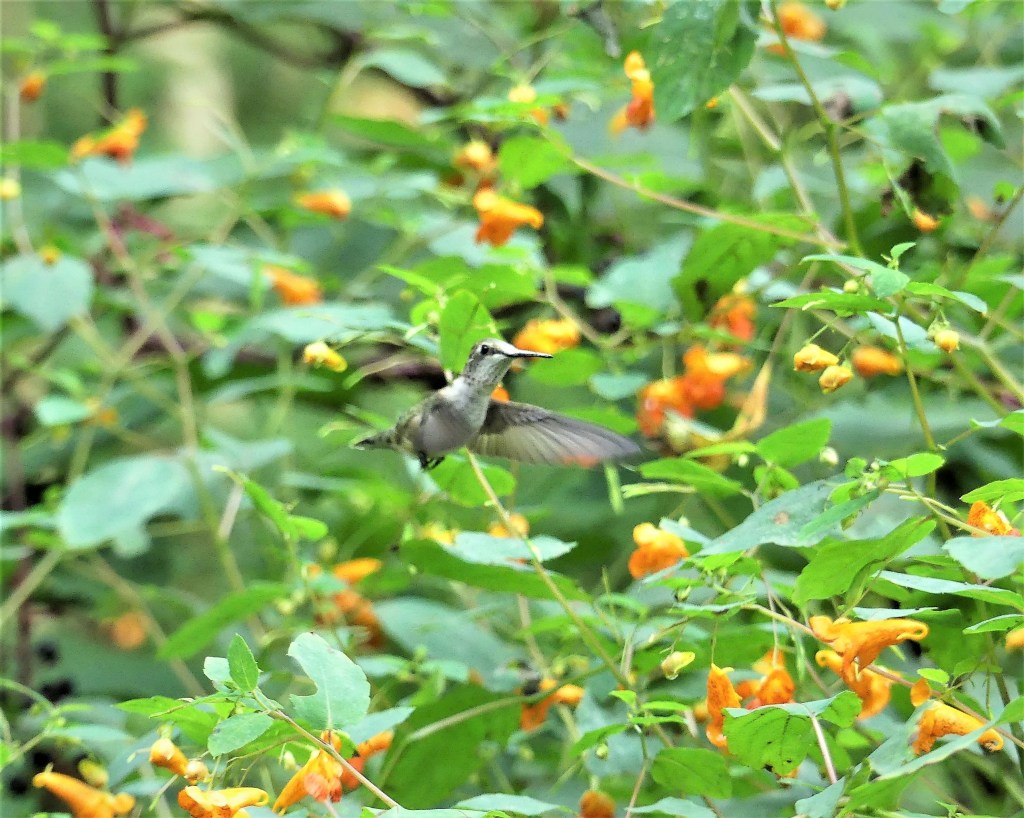
A white dusting of jewelweed pollen coats a young male Ruby-throat’s forehead.

There is one sure place to find Ruby-throated hummingbirds during fall migration – a jewelweed patch. But the yellow flowered Pale jewelweed Impatiens pallida won’t do, only the bright orange blooms of Spotted jewelweed I.capensis. It’s an ancient relationship, finely tuned over time to suit each partner’s needs.

Read More

9/8 the Fruiting forest

Most Spicebush (Lindera benzoin) berries are all red; this one plant appears to have unique genetics.

Perhaps the word “forest” should be a verb, not a noun. From the first tiny Black locust trees pioneering an old field, to a centuries old Sugar maple and Beech forest, there is continual change. Disturbance of course accelerates the process, and this little forest has been changing on the fast track over the past ten years, thanks to invasive plant removal and the Emerald ash borer.

Read More

8/24 Two young Birds

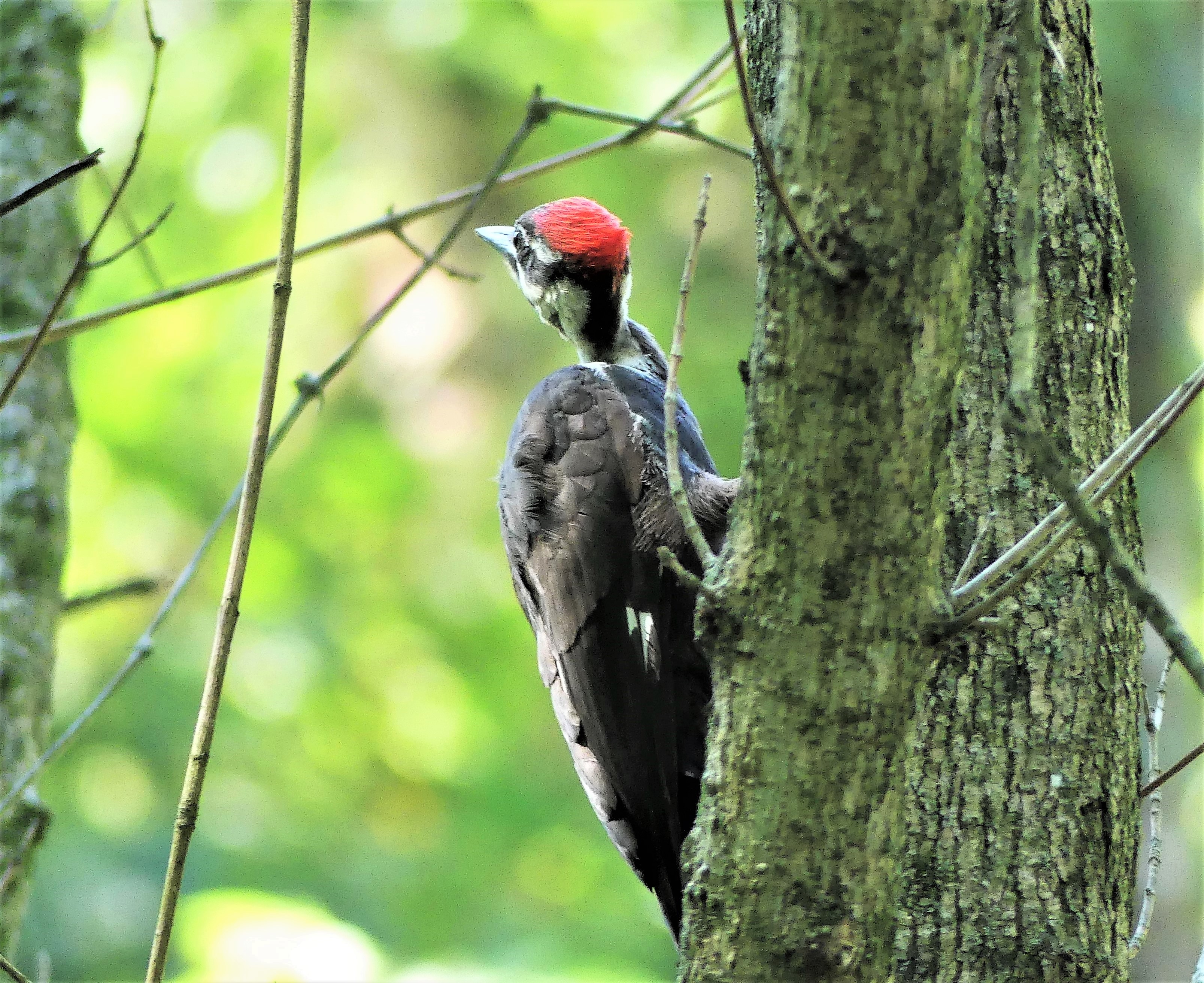
This young female Pileated woodpecker is almost the size of an adult, but still has some of that “baby” look about her

Young birds lucky enough to survive the egg, nestling and fledgling parts of their lives are now juveniles. Though they look a lot like adults, they’re only a few months old at most, and many will soon be facing a long migration south. It’s a precarious life for young birds, needing to learn not only how to find food and escape predators, but also navigate in a world full of of human hazards. (Many window strikes at this time of year are juveniles).

Read More